Navigating mixed emotions and complex dynamics, the London-based artist makes her grand entrance with a witty yet painfully honest debut album.

The journey that Sarah Meth takes listeners on throughout Something Shameful is unpredictable, yet enticing. Will the album take a playful, mischievous turn, or be plagued by misfortune? Releasing the full-length debut under her own imprint, Wishbone, on 30th October, the artist and producer from South London balances both ideas.
Candid and quick-witted lyricism shows the record is as clever as it is vulnerable, ultimately led by Meth’s soft-spoken vocals. As she ventures through the emotional residue from fallen relationships, impulsive decisions, and frustrating power dynamics, Meth takes autonomy and action over suppressed shame.
Despite the project’s inward-facing nature, influences from her community of musical peers played a large role in mapping out Something Shameful over the course of two and a half years. From studying at music college to an integral, spontaneous visit to New York City, some of Meth’s greatest joys are in the lifelong friendships and collaboration that were sparked by a mutual love of sharing music.
Meth’s effortless ability to create an open space is clear within the first 20 minutes of our conversation, when not a single interview question had been asked yet. She emerges with pride and passion for the project she’s grown alongside, welcoming listeners into her most unguarded self.
Read the interview…
This album was a two and a half year process, what did it feel like to grow with this body of work for such a lengthy period of time?
At times quite testing, but ultimately, extremely rewarding. It really led me to the right path. During the time that I made this album, my band, the people I made it with, and the creative aspects stayed very consistent. It’s been great and really special to just strengthen those friendships with people involved in the project. I didn’t have much of a team when I first started making it. This album led me to my manager, who I wasn’t working with when I had made the crux of it, but she feels like such a vital part of it now.
Rather than chasing something, this album has let me follow where it leads. It led me to a good spot with people that I enjoy being around, that I enjoy working with, and that I feel understand me. It was made for free in people’s spare time at 4AD studio, with Fabian Prynn, who’s an engineer there. It felt like a passion project, but it’s been nice for it to lead me to a place where I’m being authentic and myself and I don’t think it’s had any creative sacrifice or compromise. It felt like more of a collaboration with the people around me and that’s all you can ask for.
How would you compare and contrast the emotional/creative journey for Something Shameful vs former EPs like “Steps”?
A lot of my previous EPs are all mini worlds within themselves and they’ve never told the full story. It’s just been themes or chapters and me experimenting with different sounds and genres that I like. This album feels like a mix of all of them. It’s the real thing now. I’ll always explore, and I’ll always play and evolve with sound and writing as my life evolves, but this feels like all of it led to this.
You speak a lot about how relationships heavily inspire or inform your work, what are the values that you and your peers share that help you maintain such a strong sense of community?
It’s interesting because a lot of the time these values are unspoken and they’re even subconscious, but they’re definitely there and they’re prominent. My friends and I have this saying, ‘She’s a witch,’ but we’ll be talking about someone that we feel thinks similarly to us, just on an intuition level. Friendship is a huge part of the work. Friendship almost always comes from a connection to do with the music. Not many of these people were my friends before and something to do with music has pulled us towards each other.
In terms of values, curiosity is definitely a big thing. I’m a deeply curious person and I think that people around me are too. A lot of my peers all have different aspects and roles that they play in the project. My bass player Kit and I went to BRIT School together when we were 16 to 18, so we’ve been doing this together for a while. He’s the only one who doesn’t do music outside of the project; his love in life is welding, but for my project, he’ll always pull through and feel like family. My other bandmate Charlie is in so many different projects. He does the sound at The George Tavern, The Shackwell Arms, and all these familiar venues that a bunch of our friends grew up playing in.
They both always make time for my project and prioritise it. That is a [common] trait too: being dedicated, being reliable and being curious. Anyone who’s a musician is obviously just obsessed with music in general. That joy of sharing music that we love with each other and other people is a big factor in the friendships that I’ve made with other musicians. That’s led to touring or playing together, and it feels like a way to grow our own musical understanding and bond.
How does that connect to the atmosphere or emotional space you aim to translate to your listeners?
The sentiment and the feelings behind different songs are quite varied, especially on the album, but it’s all quite vulnerable and naked for people to experience. It’s very exposed.
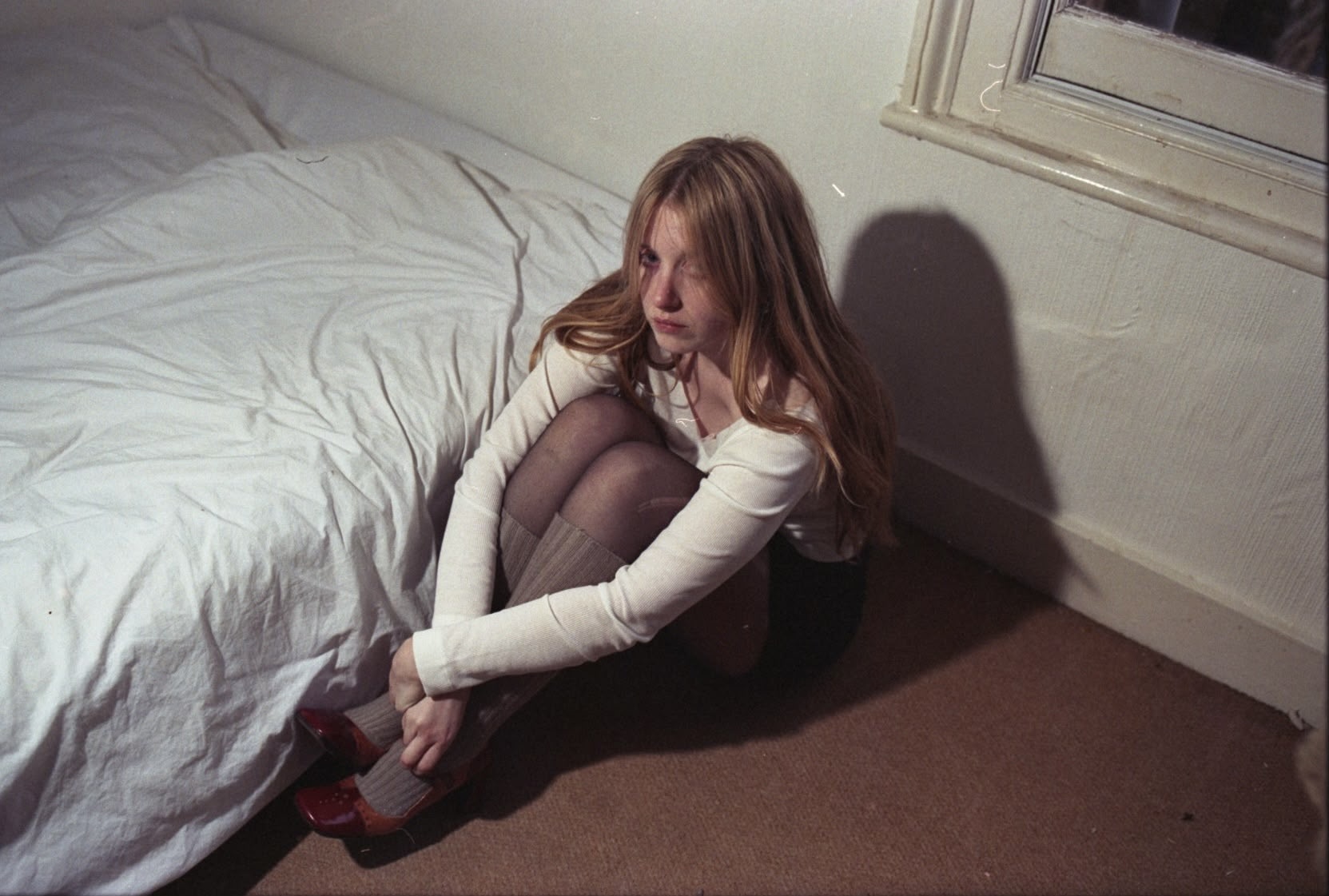
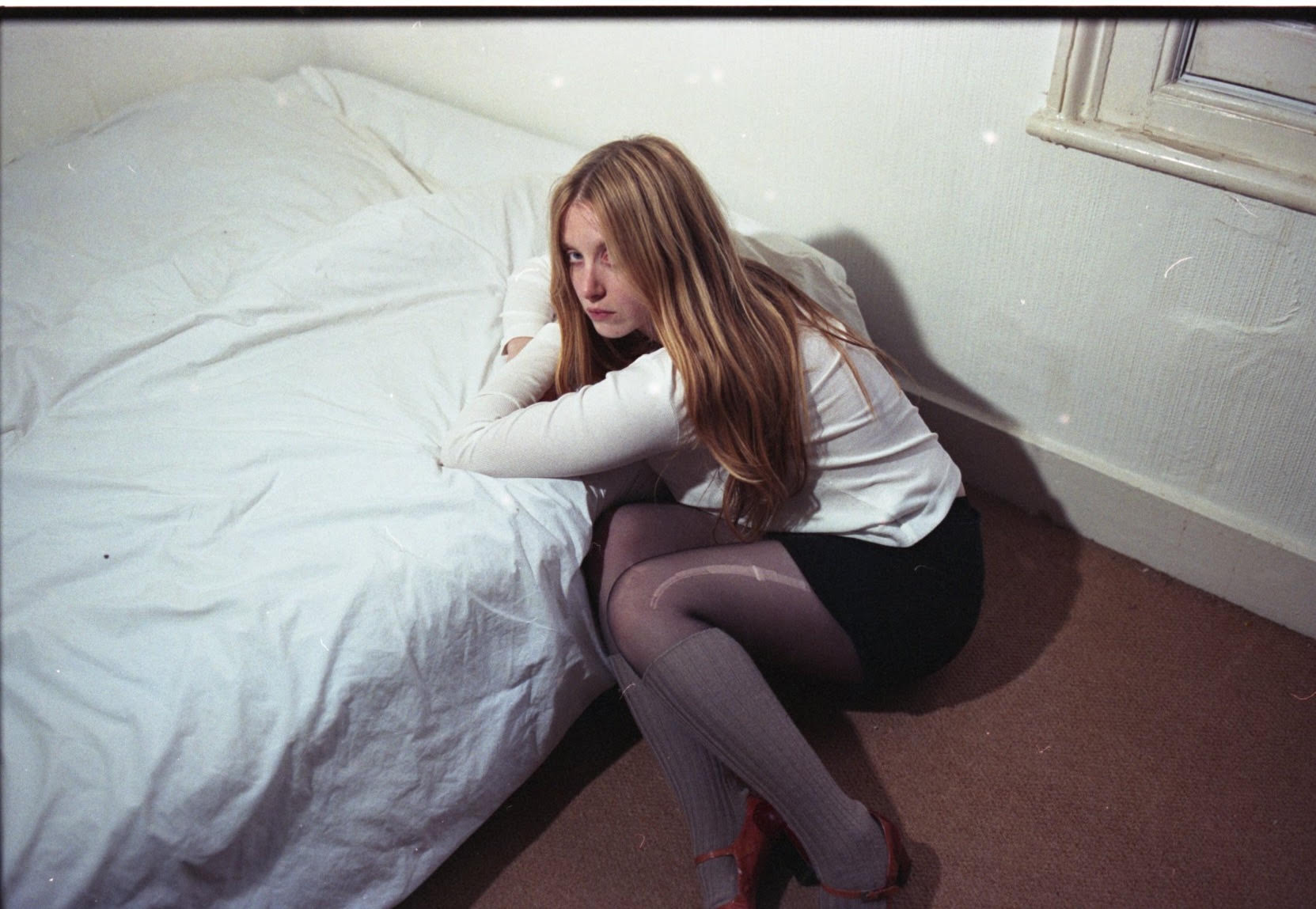
Something Shameful explores shame as an emotion as it relates to heartache, relationships, and desire. How has embracing or welcoming yourself to feel shame benefitted you, both in your personal growth and your work?
I think my relationship with shame is one that’s always gonna be evolving and a work-in-progress. I like to feel that I maybe feel less shame than I did when I was younger, whether it’s internalised or not. It’s a weird emotion. I don’t think it’s something that should be eradicated, but it’s hard to know when it’s necessary. Especially when you’re a woman, you grow up internalising so much shame. Men do too, but it’s different for different people.
The title itself is poking fun, because I’m obviously not ashamed of this project at all. I feel proud of having songs that encapsulate feelings that can be a bit ugly or nuanced or a bit hard to understand. Just having them exist like other people’s songs has tapped something in me that feels recognisable and makes me feel a lot less isolated in that feeling. Obviously there are times where it’s important to feel shame, if you’ve done something hurtful or dangerous, but if you’ve not and you’re feeling shame around pleasure, desire, or rejection, music really helps me not feel alone in that – or it makes me feel less ashamed. Hopefully, this album doesn’t encourage any shameful behaviour, but it can help soothe any of those weird feelings.
Shame can be healthy because it can indicate a consciousness that we have; that we’re aware of how we may be impacting others. But being completely consumed by that is not healthy. It wasn’t like I sat down and was like, ‘I’m going to write an album about my shame.’ It was the name of one of the songs and it had a ring to it because the album is so confessional. The first half of the album is very reactionary and songs about impulse. The sentiment towards the narrative of the songs at the end becomes a lot more mature and accepting. I like to think that I’ve become more accepting of the way I feel. I feel things very strongly and deeply, and I think that is where a lot of shame has lied for me. It’s a double-edged sword. I think there’s a lot of people in the world who feel things deeply. It can be a blessing, and it can be a curse, but you learn to live with it and make peace with it.
You’ve also mentioned meeting a version of yourself outside of London during that fateful trip to New York that, in a lot of ways, sparked this record. What did it look and feel like for you to come back home from that trip?
It was really tough. I didn’t want to leave. I’ve gone to New York quite a few times now since. But the first time I remember really vividly. I was staying in this tiny shoebox room with no windows in Crown Heights. This girl was away for a week and said I could just stay in her room, which was very kind. On the last day, I had a really crazy whirlwind of various experiences with kooky people, some of whom are now lifelong friends and some who I’ve never met again.
I went to a florist nearby to buy this girl I had never met flowers to say thanks for giving me her room. When I was in there, the woman was just like, ‘What do you want these for?’ and I just burst out crying. I was like, “I don’t want to leave. I’m going back to London and I’ve just had the best time, I’ve been so inspired. I’ve met so many new people. I’ve seen so many shows.’ That trip was like the first time I ever played and went to a house show. It felt really special to like to meet and play for people there and explore the city. This woman was so sweet. She threw her arms around me and she was like, ‘Baby girl, don’t cry. New York will always be here and you’re gonna take New York with you.’
One of the things that I love about New York is how culturally open it is, because it’s just such a melting pot of different people and experiences. It’s such a place of curiosity and openness. I think it was just a big confidence boost and discovering who I could be. When you meet a version of yourself away from your everyday life, you just feel a lot more. I feel a lot more free to explore parts of myself that maybe feel constrained to the things that give me identity in London.
Where do you see the connection between that sweetness and child-like innocence captured in both Something Shameful’s title and visuals with the vulnerability and wit laced within it?
I think of them as elements that are two sides of my coin. When I’m not a musician, I’m a nanny. I’ve been nannying the same two boys for five years. I definitely feel like I’m becoming an adult, but doing that has made me feel way more in touch with my child self than I did before. I think life has gotten a lot easier since I’ve been an adult; I don’t look back at childhood as something that was necessarily easier for me, so it feels nice to reclaim that in some ways. Being in your 20s means you’re an adult, but you’re a baby adult. It is quite a strong theme of feeling, in some ways, like I’m the oldest I’ve ever been, but in six months or a year I’ll look back on me now being like, ‘She had so much to learn.’ There’s a weird mix of relief that age can bring, but also grief, loss, hope and all these things that being in your 20s means for everyone.
How has exploring that dynamic of child-like innocence and deep vulnerability helped you achieve a sense of relief from the heaviness that’s explored in the album?
For me, those two things come from the same place. When you’re a child, you are deeply vulnerable because you’re just existing. You’re completely reactionary and unaware of how the world works. Tapping into that vulnerability from being reactionary is childlike in itself. Finding ways for that to coexist and complement each other in a world where you’re an adult, you have responsibility, and you can understand things nuancedly is a release, I suppose.
When you’re young, as in your early 20s or maybe late teenage years, you internalise everything that happens to you. Then you reach a time when, either through talk therapy, creative therapy of making things, or therapy through conversations with people you meet, you have this realisation that you’re not everything that’s happened to you. I think you do not necessarily have a choice whether or not you internalise something, but you do have agency over it. For me, trying to have agency over what I internalise has been a bit more freeing.
The real thing that actually frees me is when I’m not consciously thinking about any of this stuff. It’s when I’m just present: I’m doing shit, I’m with people, I’m touring, I’m making friends through doing that, or making music alone or with people. I can analyse it afterwards and realise I was exercising all of those traits and that’s why I feel so happy. I had community, agency, and vulnerability. You’re not thinking that when you’re doing it; you’re just giving into the experience.
I think that’s like a part of being a musician that is really hard. I always find it really hard to adjust after I’ve been on tour, because I have had such amazing experiences where, even if I’d never met them before, I have been lucky to have toured with people who have become really important people in my life and friends because our music is aligned. Therefore, the way we see the world is probably quite aligned. It’s like this bubble that we live in; it’s amazing, and then it’s over. You have to return to real life. I find that hard, but then it’s also nice, because you can reflect on the things that you’ve learned and the ways you’ve grown. And then hopefully, you can do it all again.
Words – Izzy Petraglia


