From the final season of Hacks to queer horror, Hannah Einbinder is stepping into new territory. In Teenage Sex and Death at Camp Miasma, she finds freedom in fear, desire, and the kind of radical storytelling that refuses to behave.

Hannah Einbinder has already had one cry today, and it’s not even lunchtime. Having arrived in London late the night before, the actor is deep within the familiar churn of international press – the jet lag, the fittings, the endless succession of conversations about the thing you have spent months making. “It’s okay,” she says, almost as an aside when sympathy to the somewhat gruelling schedule is offered, “I’ve already had one cry.” There’s something fitting about the admission: the 31-year-old has built a career around characters who wear their feelings close to the surface, but her latest role asks her to go somewhere hidden, into the dark shadows of our self.
In Teenage Sex and Death at Camp Miasma, the actor swaps her most recent sharp-tongued, industry-weary world of Hacks for something altogether more surreal, but equally as brilliant. Directed by Jane Schoenbrun, the illustrious mind behind 2024’s I Saw the TV Glow, the film – which also stars Gillian Anerson and has been met with critical buzz including being picked as the opening film of the Un Certain Regard cohort at Cannes Film Festival in May – explores longing, shame, intimacy and the messy territory that exists between pleasure and fear. For Hannah, the decision to join the project was simple: “First and foremost, Jane,” she says when we discuss how she decided to step into the role. “I think Jane was a great point of allure for me.” Then came the subject matter: “I think it’s a truly radical act to discuss this. I think the idea of embracing desire and finding a way to find freedom, to find a liberation from shame, is a totally radical topic.”
That sense of utter liberation is a rarity both on and off screen, and one which Schoenbrun values in their projects as paramount. With a body of work that has consistently approached identity and pop culture through a distinctly queer lens, the rising filmmaker offers an experimental environment for both the ones creating it and the ones later watching. “With that approach comes a genuine tenderness and respect and emphasis on safety,” Hannah explains when we discuss how enlightening it is to be surrounded by such a perspective. “And so it was very much a warm environment to create something so personal.”
Developing a relationship extending beyond the practicalities of making a film, Hannah and Jane delved into the themes at the centre of Camp Miasma, exploring how it captured their own psyches they know so well and uncovering new facets of themselves too. “I felt like I was safe to express certain things that I don’t even think I had talked about in therapy,” Hannah muses when thinking about jumping into the character of Chris. “And I consider myself really an open book. I really do and always have. So that was a very personally impactful experience.”
The result is a film that uses horror less as an endpoint than as an entry point; the scares are there, but they are almost beside the point. “It’s a Trojan horse, for sure,” Hannah explains, “horror is sort of a backdrop. It is the setting for the romance, for the drama, for the pain and pleasure.” That is perhaps the film’s most compelling trick: horror brings the audience in, but what they are ultimately confronted with is something far more familiar. Jumping into the alienation of feeling disconnected from your own body, the difficulty of articulating desire, and the shame that can make intimacy feel like something to endure rather than enjoy.
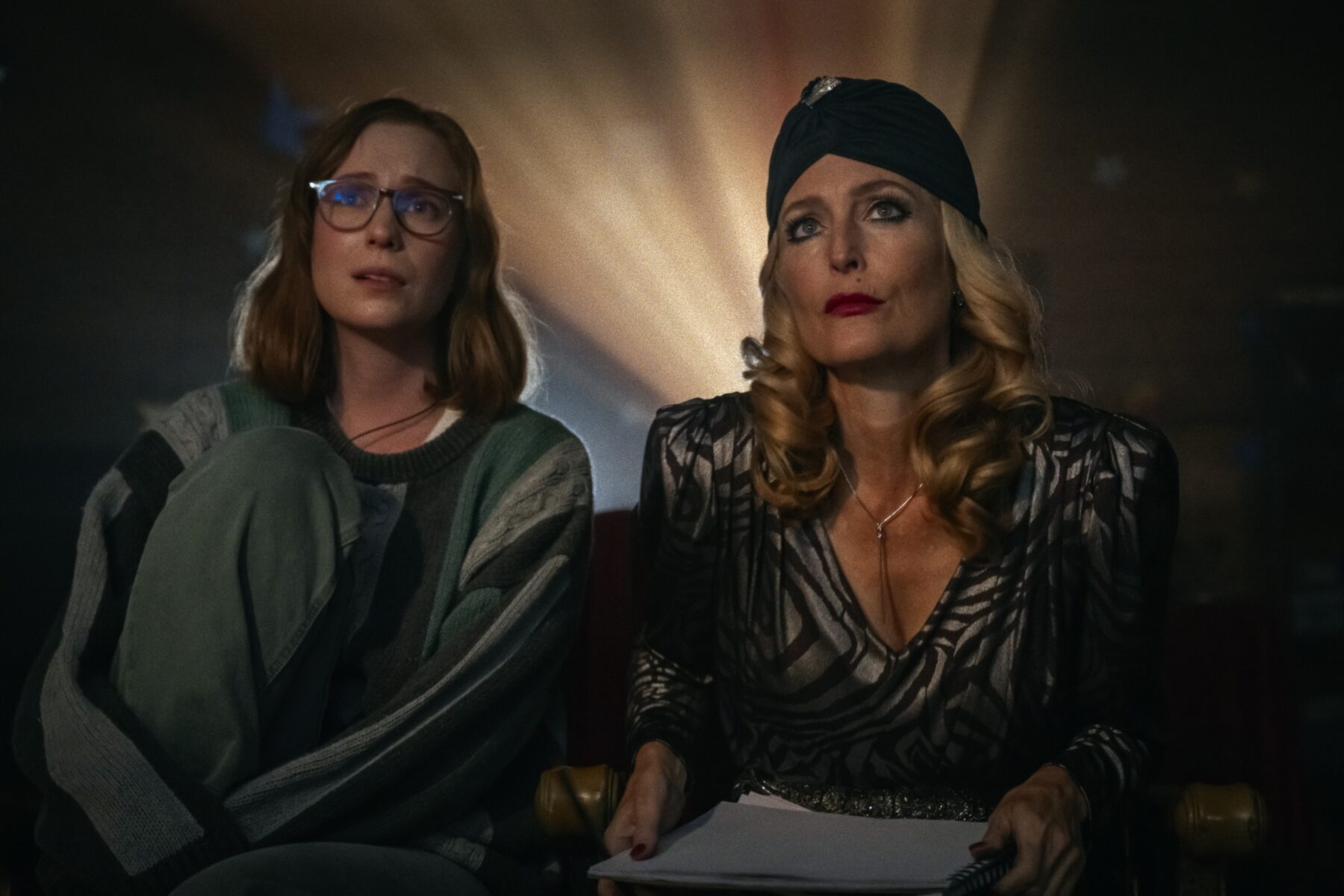
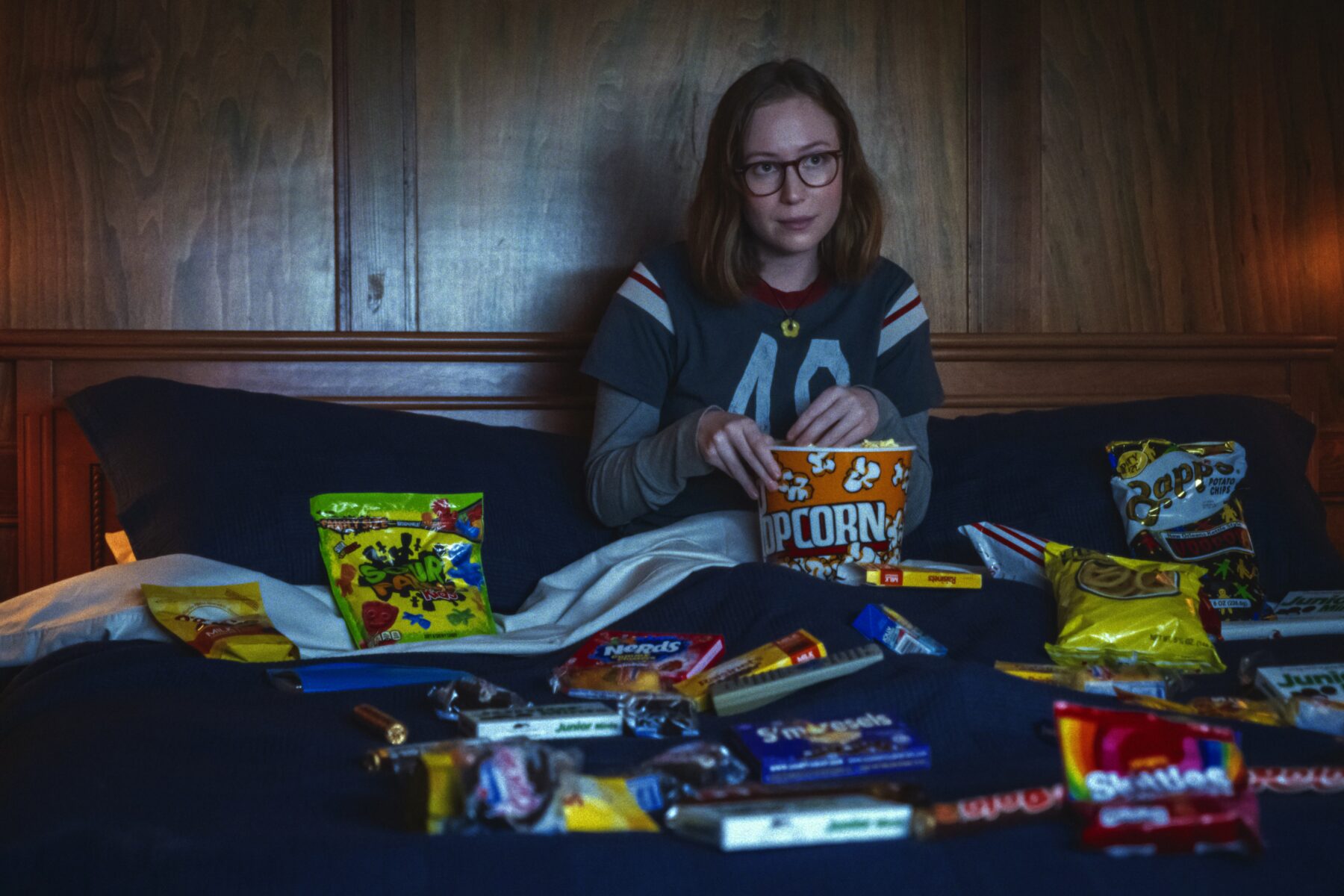
It’s a refreshing and thoughtful approach, allowing its viewers to both escape and confront simultaneously. “My greatest hope for the film is that it starts a conversation with people,” Hannah acknowledges, “that people start to ask themselves if they’ve ever felt the way that Chris did. Feeling weird during sex and dissociating, not being in your body, and having blocks. I think it’s so normal, and we just don’t tell anybody about it. And I just would love if the film worked to undo that culturally.”
For Hannah Einbinder, stepping into Chris also meant stepping away from Ava, the character she has inhabited – and loved – for several years throughout Hacks. Leaving behind one of television’s most recognisable and lauded comic performances of the 2020s must have been daunting. In fact, she initially wasn’t sure how she would make the distinction: “At first, in anticipation, I was really like, ‘How am I gonna do this?’,” Hannah confides. “How am I gonna make it feel different? I don’t know how to do it.’” The answer came, perhaps unexpectedly, through clothes. Working with costume designer Kendra Terpenning alongside Schoenbrun, Hannah began to understand Chris physically. One particular reference she wanted to lean into was Maggie Gyllenhaal’s character, Lee Holloway, in Stephen Shainberg’s 2003 erotic dark comedy, Secretary: high socks, long skirts, Mary Janes, glasses, everything covered up. “These are things that really feel different to me and to Ava,” she laughs, “I don’t think I have a skirt in my closet, not one.”
And so the wardrobe became a kind of roadmap, allowing Hannah to understand how Chris moved, occupied space and existed within herself. She also borrowed from Jane, incorporating some of the director’s own mannerisms into the character as an ode to their writing. It’s an interesting continuation of what has made Hacks so compelling, too. Both projects are concerned with creatives and the machinery that surrounds them, albeit from wildly different perspectives and settings. Yet Hannah is less interested in dissecting Hollywood than she is in understanding the people who exist within it: “I think it’s looking at the artists and the industry that surrounds them,” she affirms. “Both these characters that I play are artists in different ways, but they are both artists. And it’s interesting to see them navigate their world, and part of their world is a business.”
Hannah’s approach to choosing projects is similarly straightforward. In an industry increasingly governed by star power, franchises and the gravitational pull of existing IP, she’s looking for something considerably less complicated (and arguably much more important): a good script. “We’re kind of living in a time of like, ‘Name, name, name, name,’ and it should be amazing but it’s not… And so, for me, I’m always just like, ‘Where’s a good script at?’ That’s all it is. Cool director, good script.”
If that sounds simple, her ambitions are anything but. Hannah Einbinder is increasingly drawn towards work that feels personal, collaborative and, where possible, radical. The experience of making Camp Miasma has left her “genre agnostic”, she says, with the physical intensity of horror opening up possibilities she hadn’t previously considered. “I feel like I would be down to do anything”, she smiles.
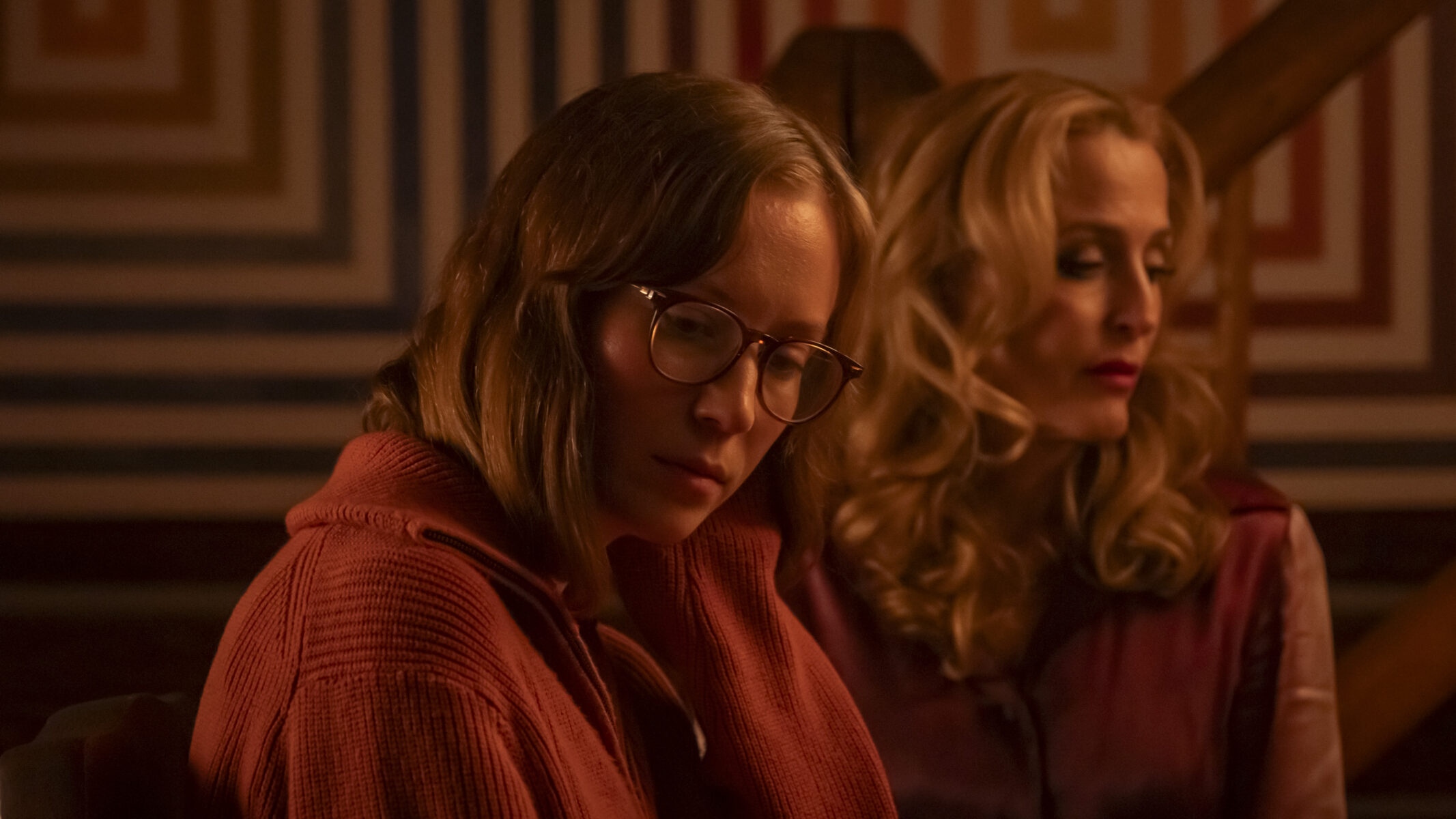
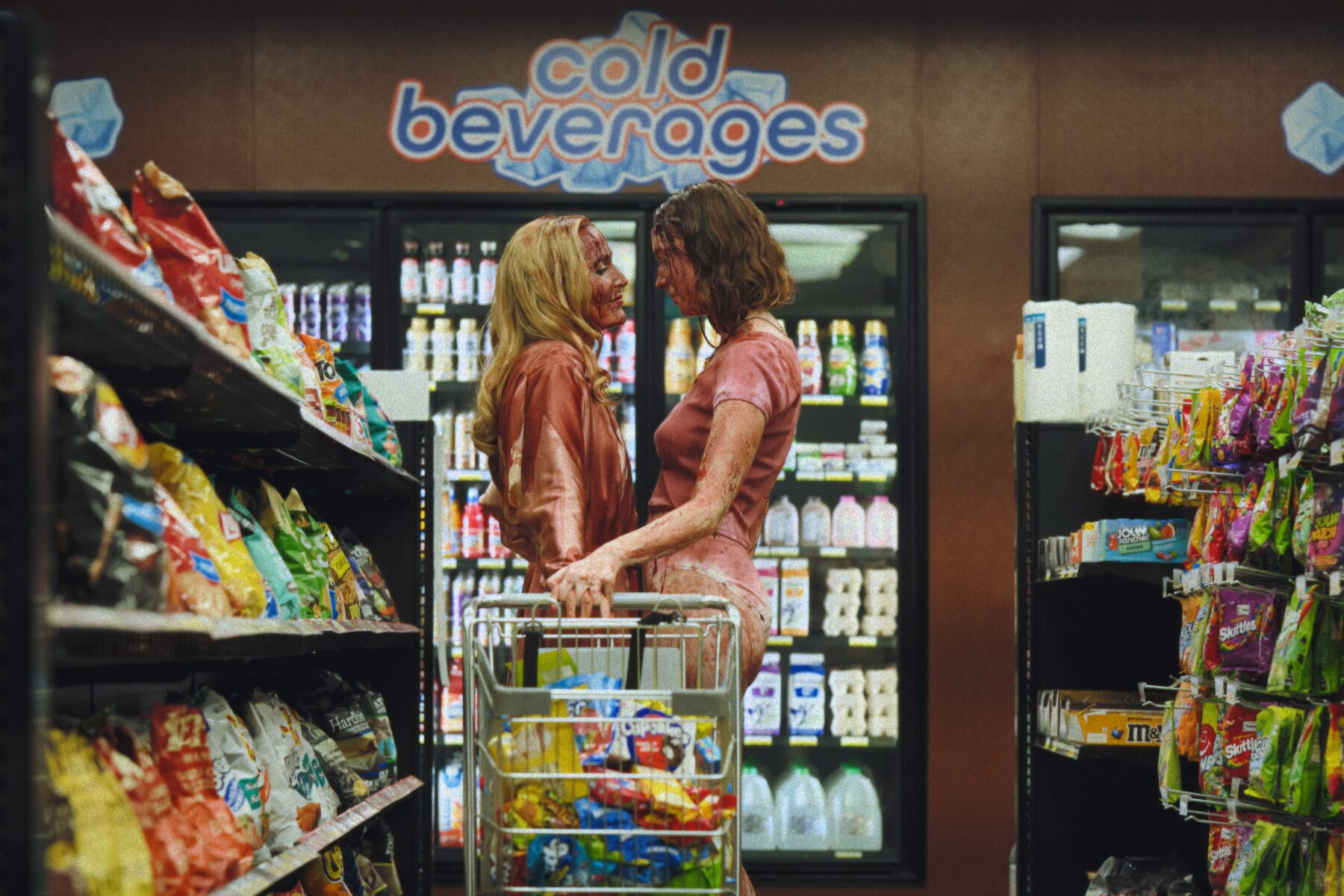
That appetite is particularly striking against the backdrop of an increasingly bleak world. Hannah is conscious of the responsibility – and possibility – that comes with making art at a moment of such political, social and environmental uncertainty. At a recent commencement speech at her alma mater, Hannah described the present as potentially “the lowest point in human history”, pointing to the climate crisis as a defining factor as well as the growing desensitisation to the struggles of others and growing acceptance of fake humanity in the form of AI. It’s a platform she uses unwaveringly and defiantly, whether winning an Emmy – where she finished her acceptance with a simple yet powerful “Go Birds, f**k ICE, and free Palestine” – or posting informative sources to her Instagram stories to help educate her followers, Hannah knows how vital it is to use what we’ve been given.
It’s a difficult time to be in entertainment, sometimes feeling like what we’re doing is pointless, sometimes feeling it’s one of the most powerful things you can do. Rather than seeing the state of our planet as a reason to retreat from creativity, Hannah sees it as a reason to lean further in: “The artistic contributions of young people have never been more important, because we need relief, we need escape,” she promises, “And we need to help each other understand these things and life and humanity.”
Moving forward, Hannah’s ambition is to make political art, but that doesn’t necessarily mean everything needs to arrive wearing its politics on its sleeve. As we know, art is always political, and sometimes, Hannah says, she just wants to make something fun. “I would do Flubber. You know what I mean? Like, I would do the fucking most slapstick thing. Again, now it is for true enjoyment and relief.”
That balance between meaning and pleasure, politics and escapism, fear and fun seems to be where Hannah Einbinder is most interested in operating. Her next dream project? A period piece. Beyond that, she wants to work with people who are “looking to make things that feel radical in some way”.
It’s a fitting ambition for an actor whose latest film is built around the idea that sometimes the most revolutionary thing you can do is confront what makes you uncomfortable and, in doing so, confront yourself. As for what comes next, she isn’t giving much away. There are “a couple of irons on the fire”, but beyond that, the plan is refreshingly uncomplicated: “I want to do it all.”
Words – Kitty Robson


