Days after her Milan Fashion Week show, the Stockholm-born designer sits down with Wonderland to unpack the untangled stories of AVAVAV’s latest collection, “The Hole”.
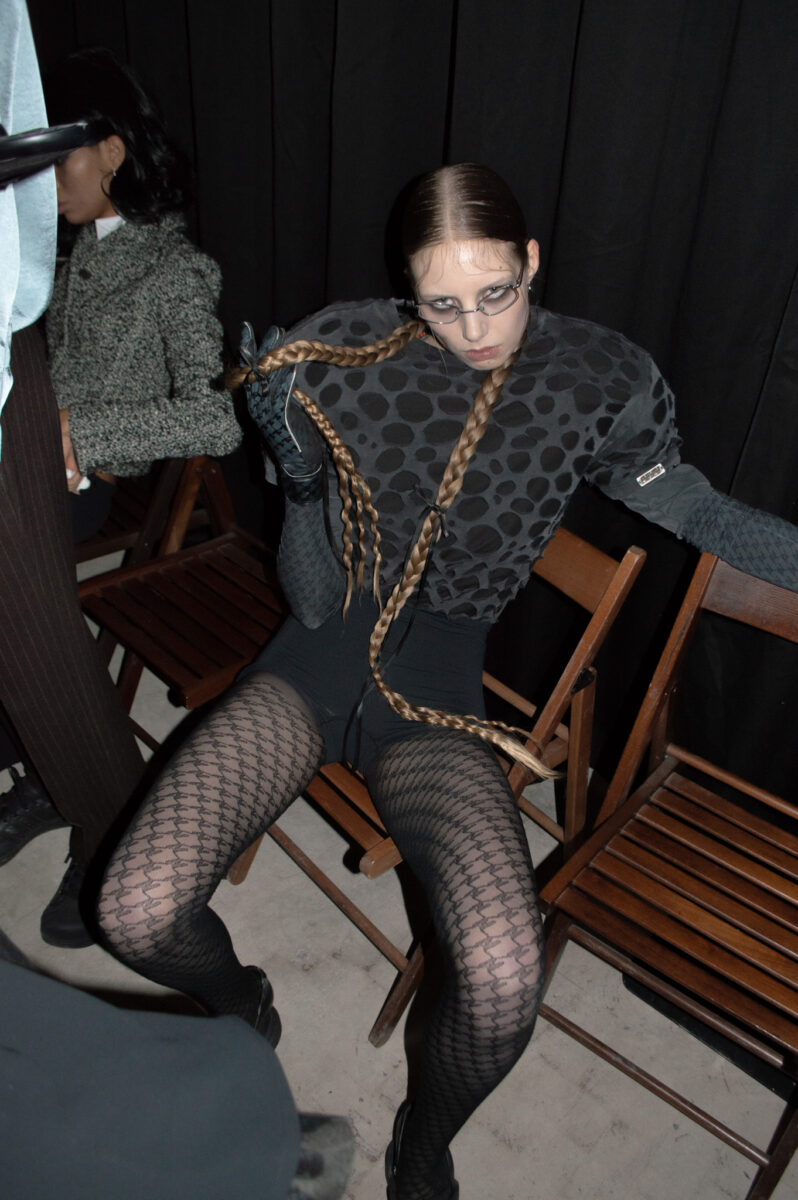
Behind the superficial glitz and glamour of the Italian fashion capital, Milan pulses with Europe’s chaotic, frantic energy. A fitting stage for cult-favourite AVAVAV, a fashion force making waves with its human, messy, romantically ugly, and unapologetically unfiltered flair. Under the leadership of Creative Director Beate Skonare Karlsson, the Florence-born label is redefining what experimental and avant-garde can look like on the runway. For AW25, the drama reached its peak as models clawed their way onto the stage, their fatigue palpable, their expressions surrendering to the moment as they emerged from beneath the floor with exceptional commitment to performance.
Each performer, with their meticulously assigned character through casting and acting, took the show beyond fashion into theatrical-artistic territory—amplifying the body’s expression as a central element of the runway without overshadowing the clothes. It’s what we’ve come to expect from AVAVAV, a brand that continues to prove that the traditional boundaries between disciplines are a thing of the past. The future is multidisciplinary, dynamic, and exists at the intersection of art and fashion.
The first time Karlsson and I met, I had this strange inkling that my life might somehow be forever changed. But the transformative power of her vision went beyond anything I could have imagined. Over the past seven years, I’ve had the privilege of watching this creative visionary evolve from a Parsons student into the artistic powerhouse she is today. I first encountered her work through her “Finger Shoes”—surreal, oversized creations that immediately captured my attention. Later, she wore “The Bum,” a silicone replica of Kim Kardashian’s posterior, to Fashion Week. At a magazine event together, we turned heads and raised eyebrows—because with Beate, any Fashion Week after-party becomes an opportunity for performance art. She is pure fun.
Sitting at her shows, I often find myself tearing up. Before “The Hole” show began, she casually told me, “I think you will love this one,” and I spent the entire presentation swearing at her brilliance, thinking to myself: she’s a fucking genius. I was struck by the realisation that people would study this show for years. It felt historically monumental. I’d love to live long enough to witness her legacy and its lasting impact on the fashion and art world.
AVAVAV is a female-owned, independent fashion house that relentlessly pushes for creative freedom, propelled by its signature blend of humor, entertainment, and an evolving design philosophy. Founded in 2021 by Karlsson, the brand represents a new generation of fashion thinking. Rooted in today’s era of information saturation, it focuses on creating a future-forward fashion house that speaks to contemporary sensibilities while challenging established norms. Its incredible marketing strategy ensures visibility far and wide. The brand has carved out a distinctive niche, emphasising “luxury streetwear” and committing to sustainability, particularly through its strategic use of Italy’s premium deadstock fabrics.
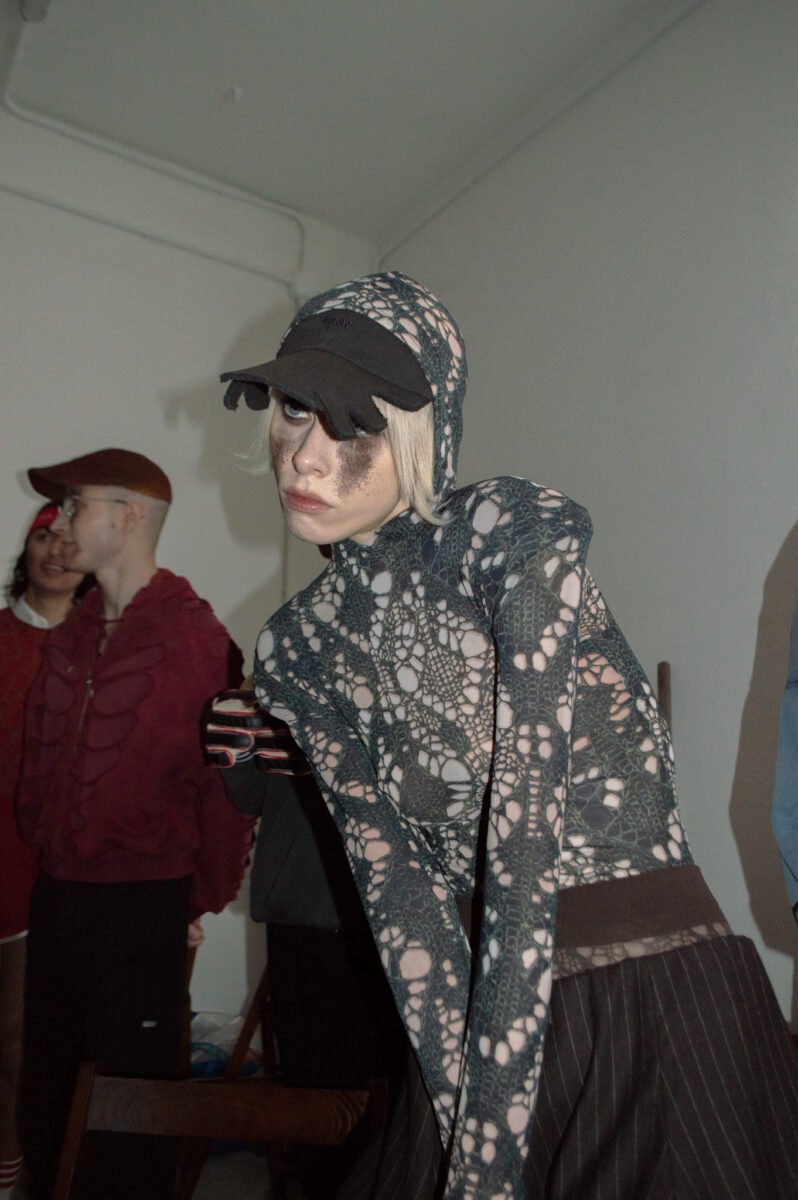
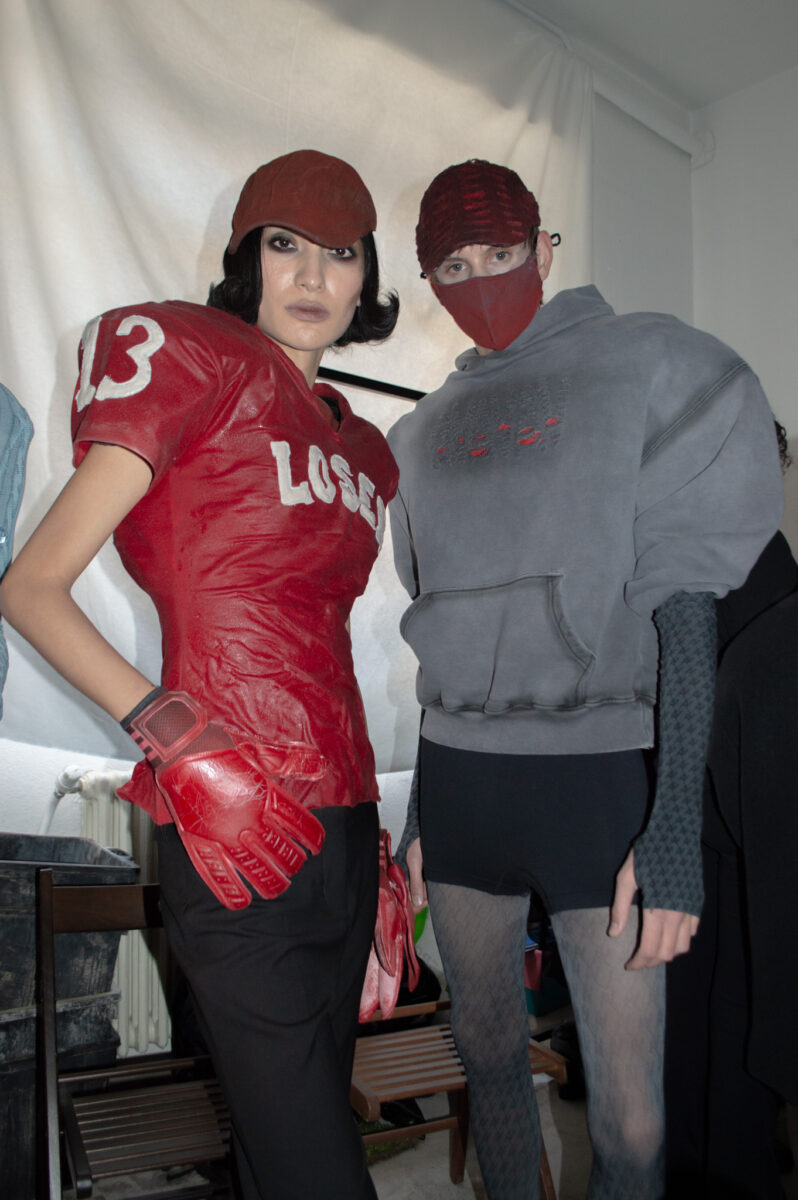
Their MFW 2025 show, “The Hole,” marked the second season of AVAVAV’s collaboration with Adidas Originals, merging avant-garde with the mainstream. This capsule collection introduced distressed sportswear pieces—tattered skirts and tops, worn-in hoodies and shorts with deliberate fraying, and a distinctive vest featuring exposed internal baffles. Another collaboration showcased Swedish brand Glitter’s accessories, adding lustrous accents and exaggerated bows throughout the styling. A standout piece was a striking weekend bag adorned with Glitter’s signature satin bows.
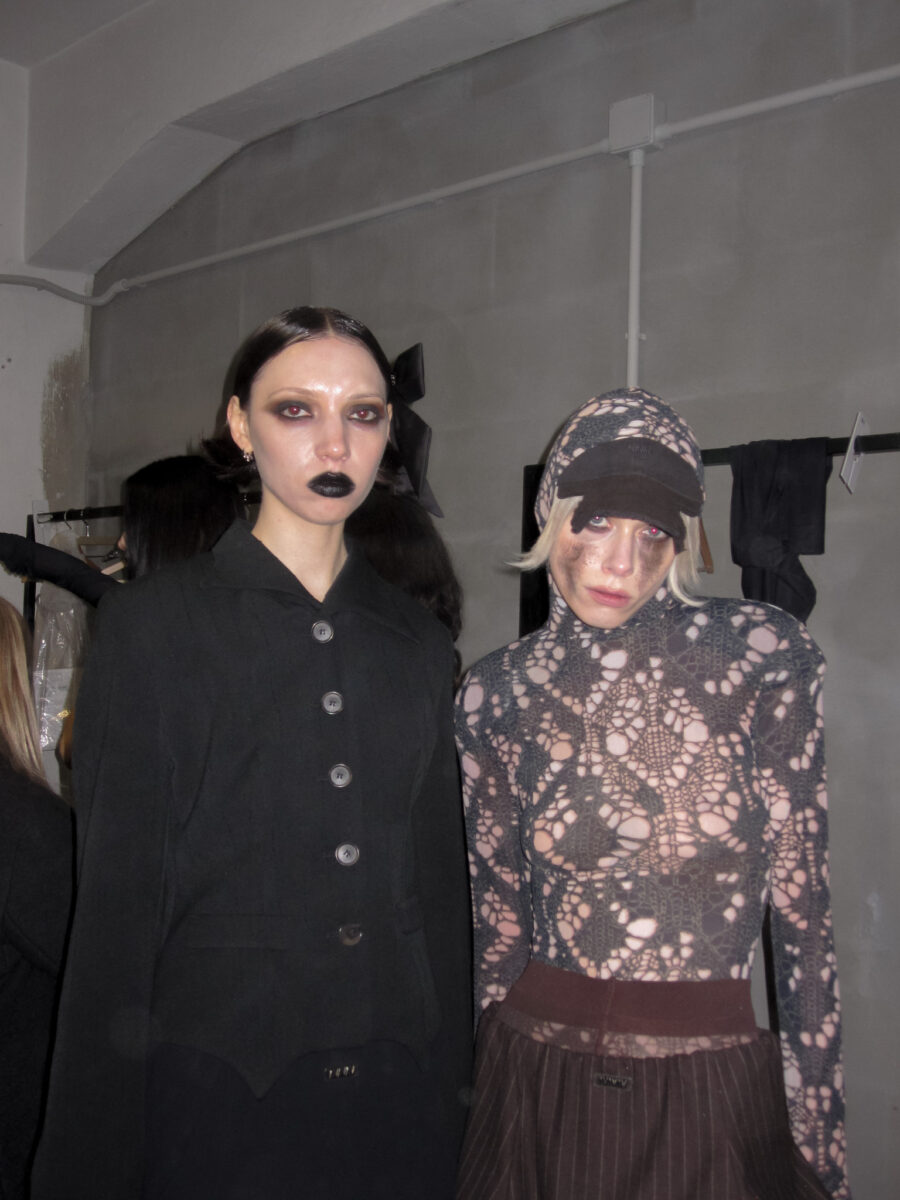
Sensual zombies, blood, dirt, spiders, and skeletal pieces with ribcage cutouts, flowing skirts, and furs. Distorted illusions, created through exaggerated wigs and intricate detailing, signalled bodily instability and decay. Exaggerated femininity took form in excessive bowties, dramatic draping, ladylike bouclé blazers, and ethereal sheer veils, creating a fascinating tension between delicate, fragile elements—tailored georgette, wool, satin—and robust, armour-like silhouettes.
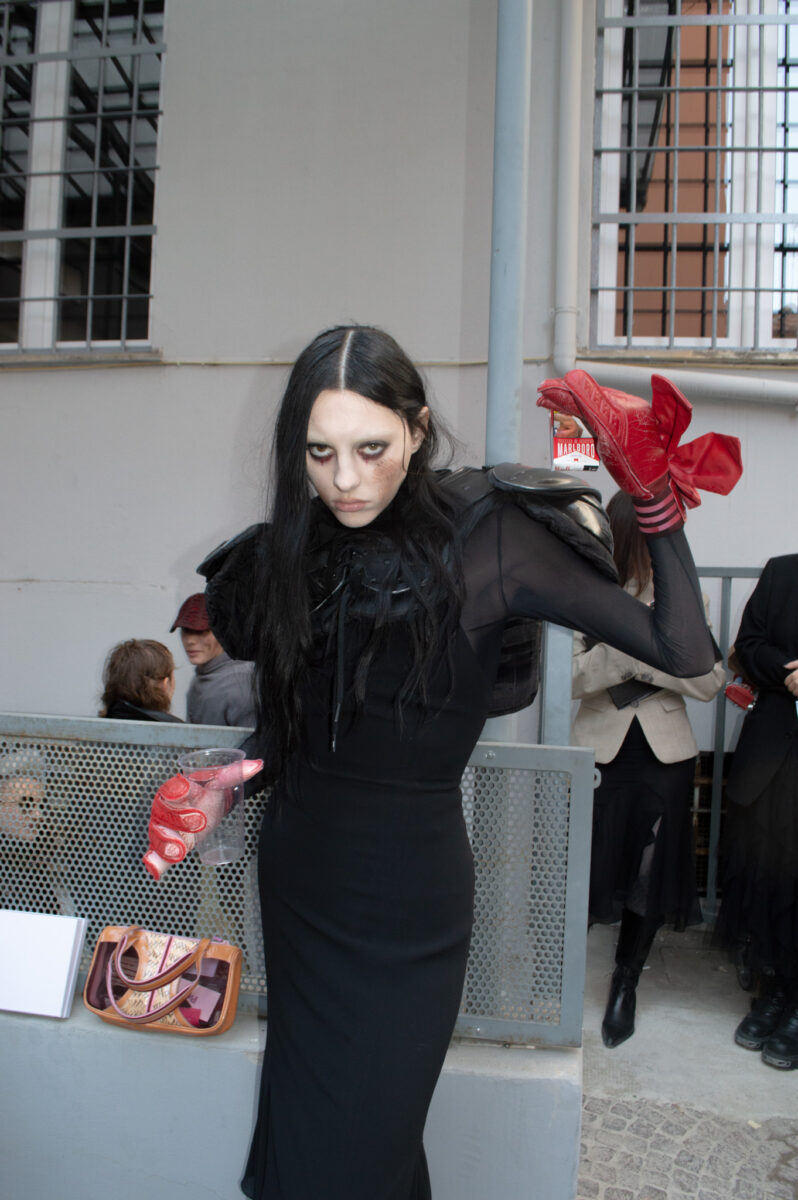
The collection pushes us to contemplate our mortality and limitations. In a world where we are increasingly confronted with existential dread, Karlsson’s work doesn’t shy away from these anxieties but transforms them into something both disturbing and ravishing. It embodies a tension between acknowledging our fragility and celebrating life’s intensity with unrestrained expressiveness and maximalism. Sitting down with Wonderland after her AW25 runway, Karlsson discusses all things “The Hole,” her successful and ongoing partnership with Adidas, her creative processes, and how she’s “driven by the excitement of finding new ways” to design. Keep reading…
Is there any link between the hyper-feminine attributes of the collection and the fact that you’re a female brand owner in an industry hyper-dominated by men?
I like giving my own perspective of how femininity can look like, and I do believe female voices are and have always been too few in an industry that is so focused and dependent on women. I don’t focus on femininity because of this, though I’m more so encouraged when I’m reminded of the fact that the female perspective on femininity is rare; it makes it more exciting.
How does the act of models “crawling out from underground” in this show reflect your commentary on the fashion industry’s rigidity?
I don’t know if it does or if it should. I just had a vision that models would appear from the ground, crawling their way up. I like to bring things to absurdum, and I loved the visual metaphor of being buried alive or trying to fight death and feeling suffocated and claustrophobic.
How does the battle-ready sportswear aesthetic connect to the show’s themes?
I’ve just had sports on my mind because we’ve partnered up with Adidas. So it’s an inevitable ingredient in my making right now.
Your show had a Tim Burton-esque aesthetic reminiscent of ‘Beetlejuice’ and ‘The Nightmare Before Christmas.’ Do these horror elements represent pessimism about upcoming generations’ anxieties (affected by climate catastrophe, political chaos, mind-numbing doom scrolling, AI dominance), or is there something optimistic in this imagery—a journey from darkness into light?
It was never political, even though I do feel anxious about the current chaos in the world. I just really love this aesthetic, and I love that it isn’t too serious. Tim Burton portrays death in such a unique and playful way.
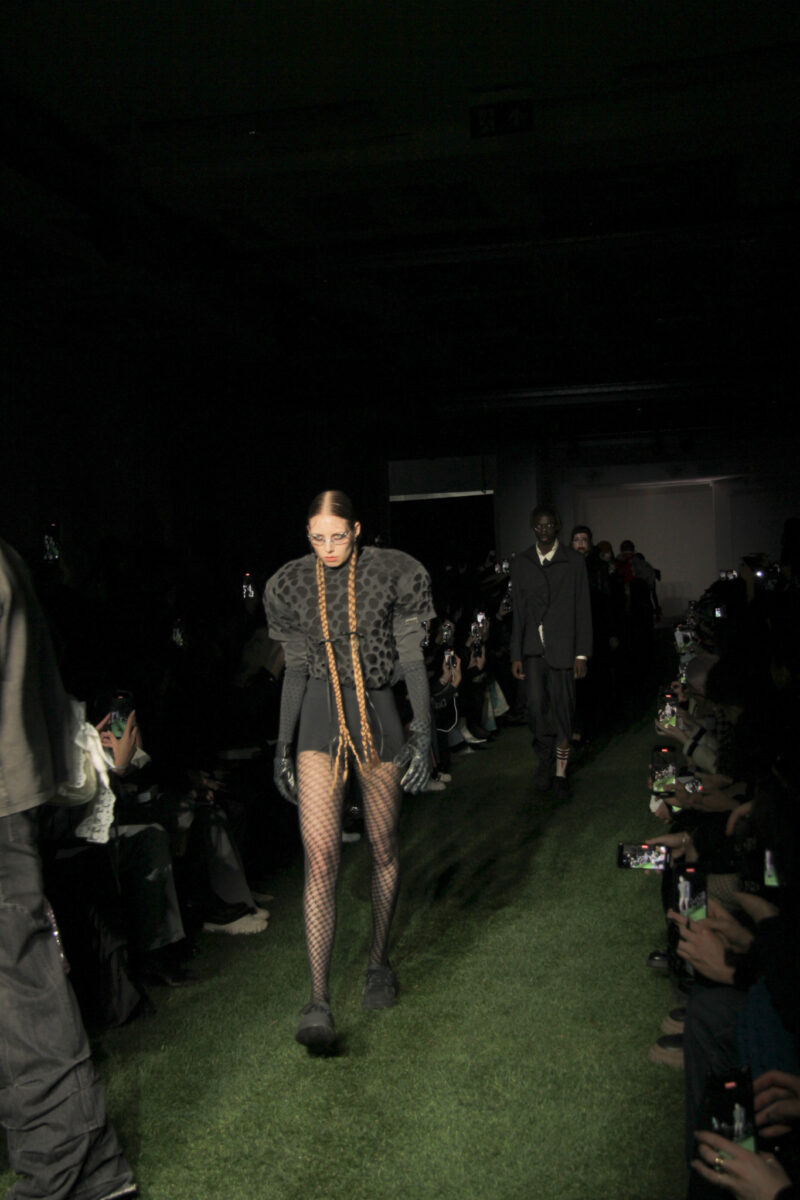
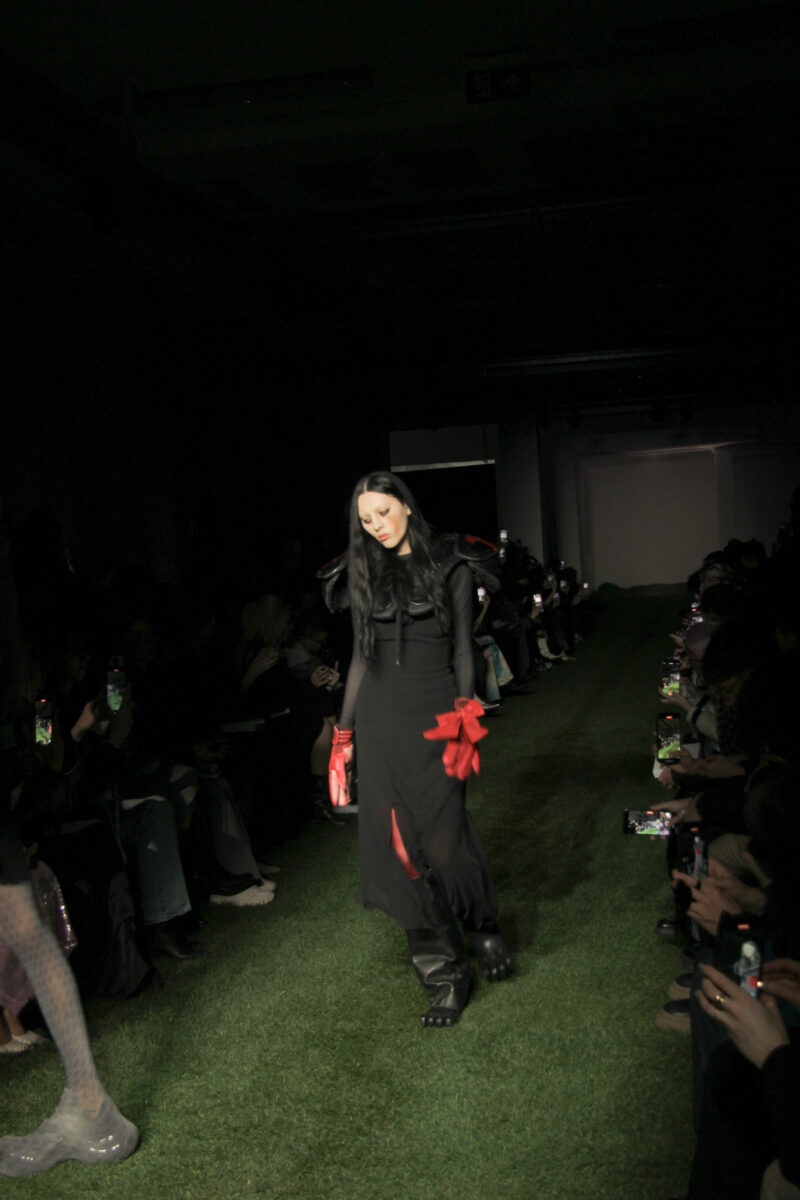
The Moonrubber Megaride provokes deliberately in a time of low-profile domination. How did your collaboration with Adidas Originals evoke the creation of boundary-pushing footwear designs?
I’m always gonna love big shoes, and I enjoy the low-profile trend, but I don’t want to feel limited to it. When Adidas Originals reached out, the most exciting part of the partnership was, of course, footwear. Both because it’s like an honor to use Adidas DNA, being one of the biggest players in footwear in modern times. Also, as a small brand, we could never afford to make two completely new footwear models; the cost of molds is insane since you have to do both left and right for every size. So, when we knew we were doing this partnership, I wanted to reimagine the silhouette of a classic superstar, and I loved this chunky, animated version of it. It was a close collaboration with the Adidas FTW team, who are incredible designers. The Moonrubber started with this sculptural blob shape. I wanted the shoe upper to look like it was buried in the moon-goo-esque platform.
How do you balance creating provocative, conceptual runway pieces with the commercial realities of running a fashion brand?
This is perhaps the trickiest part for a small brand; I believe you need to have integrity and lots of it. The industry tends to endorse brands that are focused on the conceptual and avant-garde, but the business and commerciality is equally important. Otherwise, small brands will stay small forever.
You dressed Doja Cat, Björk, Rihanna, and A$AP Rocky. Which other artists or cultural figures do you dream of dressing, and what would you create for them?
I’d love to dress Michaela Coel! There are so many people I’d love to dress, though, but the real dream is that these people want to wear Avavav.
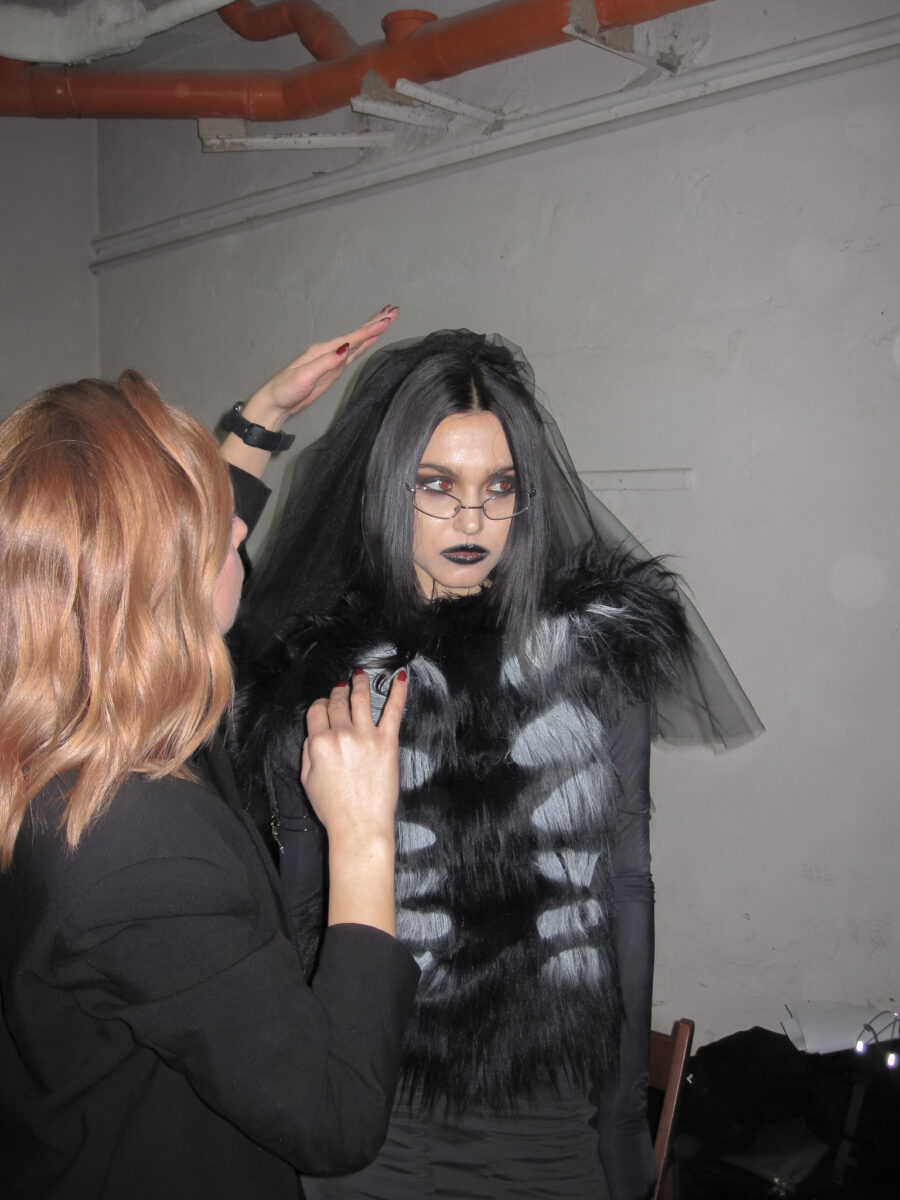
Your collection seems to embody ‘Carpe diem.’ Was this tension between celebrating life and confronting death anxiety a deliberate choice?
Yes, this is the state of mind I’ve indulged in lately.
Your surrealist approach to proportions in design – from the ‘Kim K butt sculpture’ to the ‘Claw Shoes’ – creates experiences that feel simultaneously like a good and a bad trip (reminiscent of Alice in Wonderland). How has this tension between attraction and repulsion evolved in your work?
I think I can only create things that make me feel a LOT, so sometimes (especially in the past) it becomes pretty vulgar. Easy to love, easy to hate. I’m driven by the excitement of finding new ways; the designers and creatives I love the most are the ones that open up my mind to how we look at things. That’s what I want to do.
Words — Odie Senesh (@odie_senesh @oddd_creatives)
Photos — @ignacioromualdiv


